



TWC: The Water Cure


HeartThe Water Cure “TWC”


“You’re not sick; you’re thirsty. Don’t treat thirst with medication.”  Dr. F. Batmanghelidj


It is popular in Japan today to drink water immediately after waking up
every morning. Furthermore, scientific tests have proven its value. You are seeing below a description of use of water for old and
serious diseases as well as modern illnesses.

The water treatment had been found successful by a Japanese medical society as a 100% cure for the following diseases:

Headache, body ache, heart system, arthritis, fast heart beat, epilepsy,
excess fatness, bronchitis asthma, TB, meningitis, kidney and urine
diseases, vomiting, gastritis, diarrhea, piles, diabetes, constipation,
all eye diseases, womb, cancer and ear nose and throat diseases.

METHOD OF TREATMENT

  • As you wake up in the morning before brushing teeth, drink 4 x 160ml glasses of water…..interesting
  • Brush and clean the mouth but do not eat or drink anything for 45
    minutes.
  • After 45 minutes you may eat and drink as normal.
  • After 15 minutes of breakfast, lunch and dinner do not eat or drink
    anything for 2 hours
  • Those who are old or sick and are unable to drink 4 glasses of water at the beginning may commence by taking little water and gradually increase it to 4 glasses per day.
  • The above method of treatment will cure diseases of the sick and others can enjoy a healthy life.


The following list gives the number of days of treatment required to cure/control/reduce main diseases:

  • High Blood Pressure – 30 days
  • Gastric – 10 days
  • Diabetes – 30 days
  • Constipation – 10 days
  • Cancer – 180 days
  • TB – 90 days
  • Arthritis patients should follow the above treatment only for 3 days in the 1st week, and from 2nd week onwards – daily.

This treatment method has no side effects, however at the commencement of treatment you may have to urinate a few times.

It is better if we continue this and make this procedure as a routine work in our life. Drink Water and Stay healthy and Active.

This makes sense.. The Chinese and Japanese drink hot tea with their meals
Not cold water , Maybe it is time we adopt their habit while eating!!! Nothing to lose, everything to gain…

For those who like to drink cold water, this article is applicable to you:

It is nice to have a cup of cold drink after a meal. However, the cold
water will solidify the oily stuff that you have just consumed. It will
slow down the digestion.

Once this ‘sludge’ reacts with the acid, it will break down and be absorbed by the intestine faster than the solid food. It will line the intestine.

Very soon, this will turn into fats and lead to cancer. It is best to drink
hot soup or warm water after a meal.

References:

  1. http://www.knowledgebase-script.com/demo/article-113.html
  2. http://www.watercure.com/
  3. http://www.freedrinkingwater.com/water-education/medical-water-cold.htm
  4. http://curezone.com/foods/watercure.asp


Eight Great Tips for Optimum Nutrition


Eight Great Tips for Optimum Nutrition

balanced-nutrition

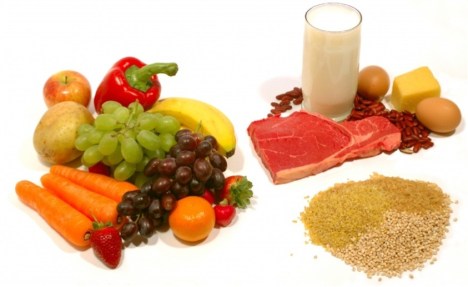
1st- Water

Drink at least 8 glasses (2 liters) of water, diluted juices, and herbal or fruit teas each day. Aim to reduce, or avoid, your intake of coffee and tea, to at least 2 per day, as they dehydrate the body.

2nd- Fresh Fruits & vigatables

Increase your intake of fresh fruit to a minimum of 3 portions per day (dark berries, apples, bananas, citrus fruit), and dark green leafy vegetables (kale, spinach, watercress, peas, broccoli) to at least 5 per day.

3rd- Oily Fish

Increase oily fish (e.g. salmon, mackerel, sardines, trout) to 3 times per week, or ground seeds (pumpkin, sesame, sunflower and linseed) -1 tablespoon per day- in order to maintain healthy levels of omega 3 and omega 6.

4th- Protein

Eat good quality protein everyday for example organic chicken, eggs, fish, lentils, chickpeas beans, seed, and nuts.

5th- Bad Fats

Decrease wherever possible, your intake of bad fats (hydrogenated or trans fatty acids). These are found in most margarines, ready-made meals, biscuits, and cakes.

6th- Fried Food

Avoid burnt and fried foods as these are highly toxic to the body and are carcinogenic.

7th- Refined Carbohydrates

Avoid processed and refined carbohydrates such as white bread and rice, cakes, and biscuits. Replace these with whole wheat and whole grain food e.g. oats, rye, barley, and spelt products.

8th- No Alcohol, No Smoking

stop your alcohol intake for ever, Also cut back or stop smoking.

Reference: the institute for optimum nutrition, www.ion.ac.uk

Chicken Waste


Chicken waste “makes cheap, food-friendly biofuel”

Wagdy Sawahel

12 August 2009 | EN

chicken_Flickr_hddod

Waste from chicken farming provides a cheap source of biodiesel Flickr/hddod Waste from chicken farming could provide an unlikely source of biodiesel now that an environmentally friendly process to produce good-quality fuel from it has proved successful.

Chicken-feather meal is a by-product of large-scale poultry production. It often includes blood and offal, and contains about 11 per cent fat.

Unlike conventional biofuel sources such as sugar cane or corn, it is not in demand for human food but it is used as animal feed because of its high protein content and fertiliser for its high nitrogen content.

Researchers boiled the feather meal to extract the fat and then processed the fat into biodiesel using potassium hydroxide as a catalyst. The process produces 7–11 per cent biodiesel of good quality, comparable to biodiesels from soybean and palm oil.

Susanta Mohapatra, co-author of the study and a researcher at the University of Nevada in Reno, United States, told SciDev.Net: “This process is very economical and does not use expensive or toxic chemicals. It will benefit both developed and developing countries.”

Mohapatra says that in countries where there are large poultry farms, implementation of the process is feasible within a year or two.

“To implement this technology in developing countries [where there are few large poultry farms] you may need an additional step to collect the poultry waste. If this can be done by a company and/or by government regulations, this technology will have a huge immediate impact on their economy.”

The researchers are developing a production process that could reduce the price of the feather-meal biodiesel still further, Mohapatra added. He estimates that the manufacturing cost should be around US$0.26 per litre(US$1 per gallon ) for an average-capacity biodiesel plant, making itcheaper than soy biodiesel, for example, which costs US$1.85–2.11 per litre (US$7–8 per gallon).

The study was published in the Journal of Agricultural and Food Chemistry last month (22 July).

Link to full article in Journal of Agricultural and Food Chemistry